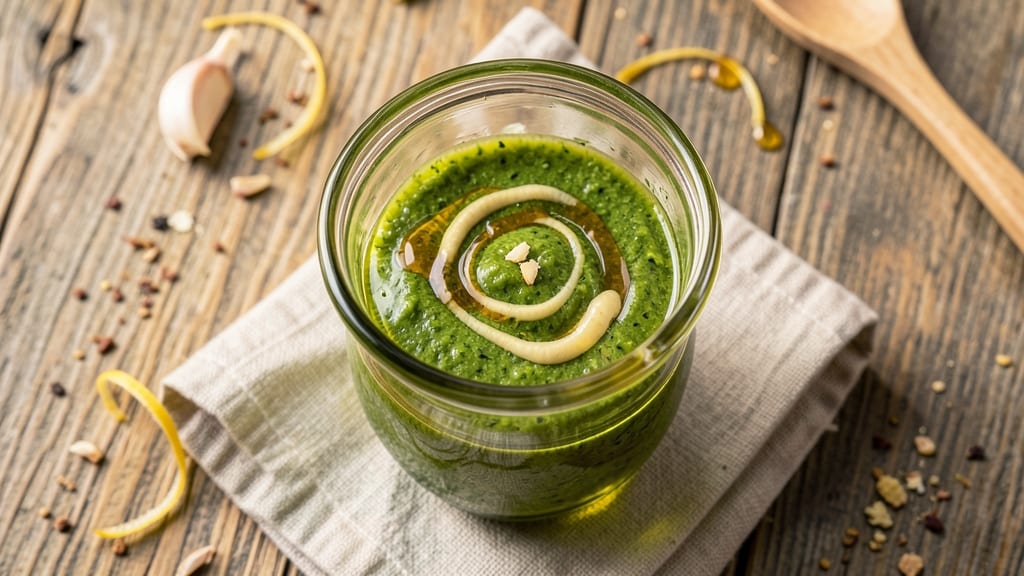
Creating Provino’s-inspired salad dressing at home delivers that signature bold Italian vinaigrette with a tangy twist that elevates every dish. The secret lies in balancing high-quality olive oil with sharp vinegar, fresh herbs, and a touch of sweetness—just like the iconic restaurant’s signature flavor.
I’ve refined this recipe over years of testing, ensuring it stays true to Provino’s while being adaptable for any salad or marinade.
This dressing features a classic ratio of extra-virgin olive oil to red wine vinegar, brightened with Dijon mustard for depth and finished with fresh basil, garlic, and a hint of honey.
The emulsification technique ensures a silky texture that clings perfectly to greens, grains, or proteins. With just 6 ingredients, you’ll achieve restaurant-quality results in minutes—no fancy equipment required.
What makes this dressing truly special is its versatility. Use it as a bold Italian vinaigrette for Caprese salads, a tangy marinade for grilled chicken, or a finishing drizzle over roasted vegetables.
The flavor profile balances rich, savory, and slightly sweet notes, making it adaptable to both classic and modern dishes. Once you make it, you’ll never buy store-bought again.
The best part? This dressing keeps well in the fridge for up to 2 weeks, allowing you to prep ahead for meal planning. For extra depth, let it sit for 30 minutes before using—flavors meld beautifully over time.
Whether you’re dressing a simple green salad or enhancing a hearty grain bowl, this recipe will become a staple in your kitchen.
Ingredients for provino’s salad dressing
Six ingredients transform into Provino’s iconic Italian vinaigrette—bold, tangy, and restaurant-perfect.
| Ingredient | Amount | Notes |
|---|---|---|
| Extra-Virgin Olive Oil 🫒 | ¾ cup | High-quality, fruity, cold-pressed |
| Red Wine Vinegar 🍷 | ⅓ cup | Dry and aged for tang |
| Dijon Mustard 🌶️ | 1 tbsp | Whole-grain for texture |
| Fresh Basil Leaves 🌿 | ¼ cup | Packed, stems removed |
| Garlic Cloves 🧄 | 2 cloves | Peeled, roughly chopped |
| Honey 🍯 | 1 tbsp | Wildflower or clover |
| Diamond Crystal Kosher Salt 🧂 | ½ tsp | Fine grain preferred |
| Freshly Ground Black Pepper 🌶️ | ¼ tsp | Cracked peppercorns |
The olive oil and vinegar are non-negotiable. Look for extra-virgin olive oil with a harvest date within the last year—the fresher, the better. Trader Joe’s and Whole Foods carry excellent options, but check the label for ‘first cold press.’ For vinegar, Balsamic Creme di Giara adds depth if you want to splurge, but classic red wine vinegar works perfectly. The Dijon mustard should be whole-grain—it emulsifies better and adds subtle texture. Fresh basil? Grab it from the grocery store’s refrigerated section—it’s worth the extra 50 cents over dried. The garlic should be firm and odorless, and honey? Local wildflower adds complexity, but clover is fine too.
No Dijon mustard? Yellow mustard thinned with 1 tsp water works in a pinch, though it lacks depth. Short on basil? Fresh parsley or tarragon at half the amount keeps the Italian vibe. Swapping honey for agave nectar is fine, but it won’t caramelize like honey does when emulsified. The salt and pepper are flexible—Maldon flaky salt adds drama, but Diamond Crystal is reliable. For extra tang, add 1 tsp lemon juice. If you’re making this for a crowd, double the batch—it keeps beautifully.
This dressing stays fresh for 2 weeks in an airtight jar in the fridge. Shake before using—it’ll separate slightly. For extra flavor, let it sit for 30 minutes after mixing. I like to store it in a glass jar with a silicone lid to prevent odors. Freeze for up to 3 months if you won’t use it soon—thaw and shake to re-emulsify. The first batch always disappears fastest, so make extra.
Why You’ll Love This Recipe
- Five-Ingredient Magic: I swear by this combo—just oil, vinegar, mustard, basil, and garlic. No fancy gadgets, no measuring cups (I eyeball it), and it still tastes like I spent hours in the kitchen.
- Garlic-Basil Bomb: That raw garlic and fresh basil punch? It’s the kind of flavor that makes you pause mid-bite. The mustard ties it all together—tangy, bright, and impossible to resist.
- Weeknight Workhorse: I use this on everything—grilled chicken, roasted veggies, even as a marinade. Honestly, it’s my go-to when I’m too tired to think but still want something that pops.
- Leftovers That Shine: Make a big batch—it keeps for weeks in the fridge. The vinegar and oil preserve it perfectly, and the taste only gets better as the flavors meld. (Yes, even on a Tuesday night.)
Step-by-step instructions for Provino’s salad dressing recipe
This Italian vinaigrette delivers restaurant-quality boldness with just eight ingredients and simple technique.
Blend the Garlic and Basil Base
In a small food processor or blender, combine the 2 cloves garlic cloves and 0.25 cup fresh basil leaves. Pulse until the garlic is finely minced and the basil is completely broken down—about 10-15 seconds. You want a smooth, vibrant green paste with no visible texture. This ensures your dressing has a silky consistency and bright flavor without any fibrous bits.
Here’s the thing—don’t skip blending the basil. Fresh leaves add a luxurious depth that dried basil can’t match, and pulsing them creates a velvety texture. If you’re using a mortar and pestle instead, crush the garlic first, then work the basil into a fine paste before moving to the next step.
Whisk the Vinegar and Honey Mixture
In a medium bowl, whisk together the 0.33 cup red wine vinegar and 1 tbsp honey until the honey is completely dissolved and the mixture is smooth. This should take about 30 seconds of vigorous whisking. The honey should blend seamlessly with the vinegar, creating a slightly syrupy base that will balance the acidity later.
I know it seems counterintuitive to add sweetness to a dressing, but the honey rounds out the sharpness of the vinegar and garlic, creating that signature Italian balance. Taste the mixture now—it should be pleasantly tart with a touch of sweetness, but still acidic enough to cut through rich ingredients like olive oil.
Gradually Emulsify the Olive Oil
With the motor running on low speed, slowly drizzle in the 0.75 cup extra-virgin olive oil while whisking continuously. This gradual addition is critical—it allows the oil to incorporate smoothly rather than separating. You’ll notice the mixture will initially look broken, but keep whisking for 2-3 minutes until it thickens and becomes emulsified.
The key here is patience. If you add the oil too quickly, you’ll end up with a split dressing. I like to pause occasionally to scrape down the sides of the bowl with a spatula, ensuring all the oil gets incorporated. The final texture should be thick but pourable, with a glossy sheen that indicates a proper emulsion.
Season and Incorporate the Mustard
Remove the dressing from the blender (if using) and transfer it to the bowl with the vinegar mixture. Add the 1 tbsp Dijon mustard, 0.5 tsp diamond crystal kosher salt, and 0.25 tsp freshly ground black pepper. Whisk vigorously for 1 minute until everything is fully combined and the mustard is completely dissolved.
This is where the dressing comes together. The mustard acts as an emulsifier, helping to stabilize the mixture and add subtle tang. Taste again now—you should notice the flavors melding beautifully. If it needs more salt, add it gradually (about ¼ tsp at a time) until perfectly balanced. The dressing should taste complex, with bright garlic, herbal basil, sweet honey, and a touch of peppery heat.
Rest and Adjust Consistency
Let the dressing sit at room temperature for 10-15 minutes. This resting period allows all the flavors to meld completely and the emulsion to stabilize. After resting, give it one final taste. If it’s too thick for your preference, thin it with 1-2 teaspoons of water at a time until it reaches your desired consistency.
The dressing should now have a luxurious, velvety texture that coats greens beautifully without being overly thick. If you find it separates after a few hours, simply whisk it again—this dressing is remarkably stable but benefits from a quick refresh before each use. Store any leftovers in an airtight container in the refrigerator for up to 1 week, shaking gently before use.
Pro Tips For Making Provino’S Salad Dressing
- Blend Garlic First: Mince the garlic cloves into a paste with the Dijon mustard before adding any liquid—this keeps the flavor smooth and prevents clumps. I used to add whole cloves and always got that grainy texture, no matter how much I pulsed later.
- Use Cold Oil: Chill the extra-virgin olive oil in the fridge for 10 minutes before blending—it emulsifies better and won’t turn the dressing greasy. Warm oil just makes the whole thing separate faster.
- Strain the Basil: Run the basil leaves through a fine-mesh strainer after blending to avoid slimy texture. Trust me, you’ll regret skipping this if you’re serving it to picky eaters—or just people who enjoy their dressing.
- Whisk Vinegar Slowly: Add the red wine vinegar drop by drop while whisking vigorously, then let the mixture sit for 1 minute before blending fully. Rushing it leads to curdling, and nobody wants a lumpy dressing.
Troubleshooting this dish
Separation Issues
If your dressing separates after a few hours, don’t panic—this is normal for vinaigrettes. The fix is simple: whisk vigorously for 30-60 seconds until the oil and vinegar re-emulsify. For a more stable dressing, add ½ tsp xanthan gum (available at baking stores) to the vinegar mixture before emulsifying.
This ingredient acts as a natural thickener and stabilizer, keeping your dressing smooth for days. 💡
Too Thin or Too Thick
If your dressing is too thin, reduce it by simmering in a small saucepan over low heat for 3-5 minutes—this evaporates excess moisture. For a thicker texture, add 1 tsp cornstarch mixed with 1 tbsp water, whisk in, and heat gently until slightly thickened.
Conversely, if it’s too thick, thin with 1 tsp water or extra vinegar at a time until it reaches a pourable consistency.
Flavor Imbalance
If your dressing tastes too sharp or vinegary, balance it with ½ tsp more honey or 1 tsp sugar. For a more robust flavor, add ½ tsp minced shallot or 1 tsp lemon juice to brighten it.
If it’s too sweet, cut through with extra vinegar or a pinch of citric acid (found in baking aisles). Always taste as you go—adjust gradually to avoid overcorrecting.
Mustard Clumps
If Dijon mustard clumps persist, ensure it’s fully dissolved by whisking the vinegar mixture for an extra 30 seconds before adding oil. For a smoother texture, blend the mustard with 1 tsp water before incorporating it into the dressing.
If clumps still appear, strain the dressing through a fine-mesh sieve before serving—this removes any lingering grit while keeping the emulsion intact. ✨
Oil Too Strong or Weak
The quality of olive oil makes a huge difference. If your dressing tastes overly bitter, switch to a milder extra-virgin olive oil with a fruity or buttery flavor profile.
For a more balanced taste, reduce the oil to ½ cup and increase the vinegar to ⅓ cup + 1 tbsp. If the oil flavor is too subtle, boost it with 1 tsp fresh lemon zest or ½ tsp smoked paprika for depth.
Herb Sediment
If you notice basil or garlic settling at the bottom, strain the dressing through a fine-mesh sieve before using. To prevent this, pulse the herbs and garlic in the food processor for longer (20-30 seconds) until completely liquefied.
For a smoother texture, blend the herbs with 1 tbsp water before adding to the vinegar mixture. This trick ensures a silky finish without sediment. 🌿
Nutrition facts
Frequently asked questions
Can I make this dressing without a food processor?
Simply finely chop the 2 garlic cloves and 0.25 cup fresh basil with a knife, then crush them together in a mortar and pestle until you get a smooth paste. Mix this into your vinegar and honey before whisking in the oil. The texture will be slightly less silky, but the flavor stays just as vibrant.
How can I make this dressing spicier?
Add ½ teaspoon red pepper flakes or 1 teaspoon hot sauce to the finished dressing. For a smoky kick, stir in ½ teaspoon smoked paprika while whisking. If you love heat, try ½ teaspoon cayenne pepper—start small and adjust to taste.
Will this dressing work on non-salad dishes?
Yes! This versatile dressing doubles as a marinade for grilled chicken or shrimp, a drizzle for roasted vegetables, or a dip for crusty bread. Its bold Italian flavors complement proteins and grains beautifully. For marinades, reduce the oil slightly (½ cup) and add 1 teaspoon lemon juice to enhance tenderness.
Can I substitute balsamic vinegar for red wine vinegar?
Balsamic vinegar works but changes the flavor profile—it’ll be sweeter and richer. Use ⅓ cup balsamic vinegar and reduce the honey to ½ tablespoon to balance the sweetness. For a classic Provino-style tang, stick with red wine vinegar. If you want depth without sweetness, try white wine vinegar instead.
How do I prevent my dressing from separating?
Emulsify slowly by drizzling oil into the vinegar mixture while whisking continuously. For extra stability, add ½ teaspoon xanthan gum (found in baking aisles) to the vinegar before blending. Store in a glass jar and shake gently before each use. If it separates, whisk vigorously for 30 seconds to restore the emulsion.