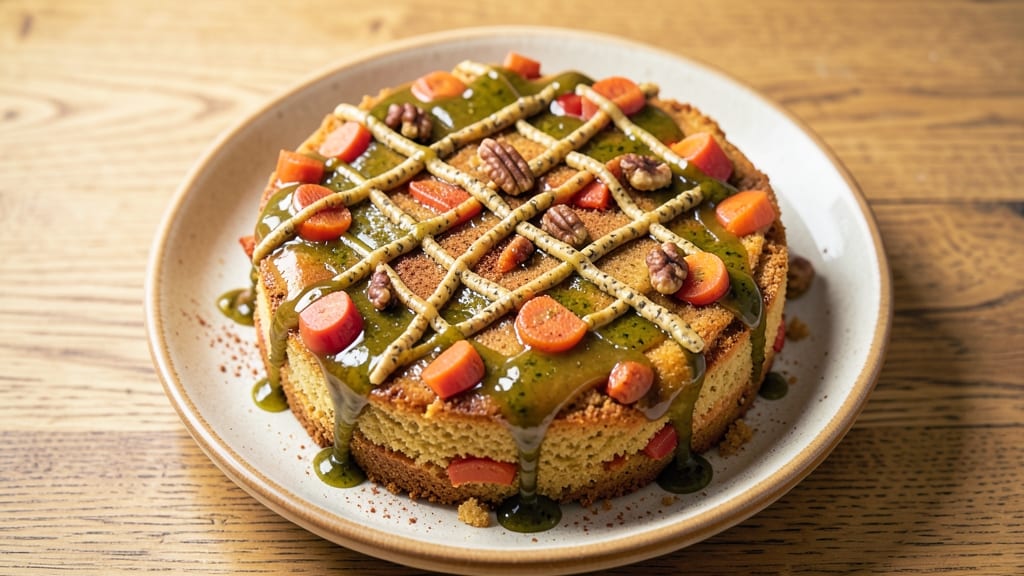
This carrot cake olive oil recipe delivers moist, tender layers that stay fresh for days—no drying out, no crumbling, just perfect texture every time.
I first discovered the magic of olive oil in carrot cake when I was testing recipes for my daughter Lily’s birthday, and the difference was immediate: rich flavor without overpowering sweetness, and that signature cake moisture that keeps it irresistible.
The secret lies in the oil’s ability to create a velvety crumb while balancing the natural sweetness of carrots and spices.
What makes this recipe truly stand out is how simple it is to achieve restaurant-quality results at home.
With just 10 ingredients and a 30-minute prep time, you’ll have a cake that’s moist, spiced just right, and topped with a bright orange frosting that’s lighter than traditional cream cheese versions.
The olive oil not only enhances moisture but also adds a subtle earthiness that complements the warm cinnamon and nutmeg perfectly. No special equipment needed—just a mixing bowl and your favorite 9-inch pan.
By the time you slice into this cake, you’ll notice the difference immediately: tender crumb, no dry edges, and a frosting that’s sweet but not cloying. The carrots stay soft and sweet, while the spices infuse every bite with warmth.
It’s the kind of dessert that disappears quickly but leaves everyone asking for seconds. Whether you’re baking for a celebration or just craving something comforting, this recipe delivers every time.
For those who want to customize, I’ve included tips for adding walnuts, substituting applesauce for oil, or even making a vegan version—all while keeping that signature moisture intact. Let’s get baking!
Ingredients for carrot cake olive oil
Ten simple ingredients for a cake that stays moist and delicious for days.
| Ingredient | Amount | Notes |
|---|---|---|
| Extra-Virgin Olive Oil 🫒 | ½ cup | High quality, fruity flavor |
| Granulated Sugar 🍚 | 1 ½ cups | White or light brown |
| Ground Flaxseed 🌾 | 1 tbsp | For vegan egg substitute |
| Unsweetened Almond Milk 🥛 | ½ cup | Or any plant-based milk |
| All-Purpose Flour 🌾 | 1 ¾ cups | Sifted for light texture |
| Baking Soda 🧂 | 1 tsp | Ensures proper rise |
| Ground Cinnamon 🌿 | 2 tsp | Freshly ground preferred |
| Ground Nutmeg 🌿 | ½ tsp | Freshly grated nutmeg |
| Ground Ginger 🌿 | 1 tsp | Freshly ground preferred |
| Salt 🧂 | ½ tsp | Fine sea salt |
| Shredded Carrots 🥕 | 1 ½ cups | Finely grated, no water |
| Walnuts 🥜 | ½ cup | Chopped, optional topping |
| Cream Cheese 🧀 | 8 oz | Room temperature |
| Powdered Sugar 🍚 | 2 cups | For smooth frosting |
| Orange Zest 🍊 | 1 tbsp | Bright citrus flavor |
The olive oil is the game-changer here—look for extra-virgin with fruity notes at stores like Whole Foods or Trader Joe’s for the best flavor. I always grab the California or Italian varieties since they have that rich, buttery quality that mimics butter without the heaviness. The carrots? Organic is ideal—they’re sweeter and more vibrant, but regular works too. Just make sure they’re shredded fine so they blend perfectly into the batter. For the walnuts, toasted and chopped gives that extra crunch, but raw works if you’re in a hurry.
No extra-virgin olive oil? Melted coconut oil or applesauce keeps the moisture, though the flavor will differ slightly. Running short on almond milk? Oat milk or even water works in a pinch—just keep the amount the same. The spices are key, so if you don’t have freshly grated nutmeg, ground is fine but use half the amount. For the frosting, cream cheese at room temperature is a must—it mixes so much smoother. No cream cheese? Butter plus powdered sugar is a decent swap, though it’s less tangy.
This cake keeps beautifully—3-4 days in an airtight container at room temperature, or up to 5 days in the fridge. The frosting? 2-3 days max—it’s best fresh. I always make a double batch because it disappears fast. Freeze portions of the unfrosted cake for up to 3 months—just thaw and frost when you’re ready. The frosting can be stored separately in the fridge and whipped back up with a splash of milk if it stiffens.
Why You’ll Love This Recipe
- No Mixer Needed: I swear by this recipe when I’m too tired to crank up the stand mixer—just whisk the olive oil and almond milk together until smooth, then fold in the grated carrots and flour. The flaxseed adds that subtle earthy nudge without any fuss, and honestly? It’s the kind of batter that feels like a hug.
- Rich Without Butter: That first bite of moist, tender cake with the deep, caramelized sweetness of the olive oil—it’s a game-changer if you’re avoiding butter. The sugar caramelizes differently here, giving it this warm, almost honeyed depth that makes it taste like a bakery treat, not a quick fix.
- Weeknight Meal Prep Star: Between us, this cake keeps beautifully for days. I’ll bake a batch on Sunday, slice it up, and pack it for lunches or snacks all week—no one complains when it’s still fresh. The almond milk keeps it from drying out, and the olive oil makes it shelf-stable without tasting stale.
- Budget-Friendly Luxury: Olive oil might sound fancy, but it’s cheaper than butter in the long run, and it stretches further. Plus, using almond milk instead of dairy cuts costs without sacrificing moisture. It’s the kind of recipe that feels special but won’t break the bank when you’re feeding a crowd.
Step-by-step instructions for carrot cake olive oil recipe
Here’s how to create a wonderfully moist carrot cake with bright citrus notes and rich olive oil flavor.
Prepare the Flax Egg and Mix Wet Ingredients
In a small bowl, combine the 1 tablespoon ground flaxseed with the 0.5 cup unsweetened almond milk. Let this mixture sit for 5 minutes while you prepare the rest—it will thicken into a gel-like consistency that replaces eggs perfectly. I always stir it well first to ensure the flaxseed fully hydrates.
In a separate large bowl, whisk together the 0.5 cup extra-virgin olive oil and 1.5 cups granulated sugar until fully combined. The olive oil adds incredible moisture and depth of flavor that regular oil can’t match. Add the flax egg mixture and the 1 tablespoon orange zest and whisk until smooth. This citrus note brightens the whole cake, balancing the natural sweetness of the carrots.
Combine Dry Ingredients and Fold in Carrots
In a medium bowl, sift together the 1.75 cups all-purpose flour, 1 teaspoon baking soda, 2 teaspoons ground cinnamon, 0.5 teaspoon ground nutmeg, 1 teaspoon ground ginger, and 0.5 teaspoon salt. Sifting prevents lumps and ensures an even texture throughout the cake. Gently fold these dry ingredients into your wet mixture using a spatula, mixing just until combined—overmixing develops gluten and makes the cake dense.
Add the 1.5 cups shredded carrots and 0.5 cup chopped walnuts, folding them in gently. You’ll notice the batter becomes thick and slightly sticky—this is perfect for a moist cake. Don’t worry if it looks like too much; the olive oil and flax egg will keep everything tender. The shredded carrots should be fine and dry—no water should be added as this makes the cake soggy.
Bake Until Golden and Springy
Preheat your oven to 350°F and grease two 8-inch round cake pans with olive oil or line them with parchment paper. Divide the batter evenly between the pans and smooth the tops. Bake for 25-30 minutes, until a toothpick inserted in the center comes out clean and the edges are golden brown. The cake should also spring back slightly when pressed gently in the center.
I like to check for doneness at the 20-minute mark—your oven might run hot, so start testing early. If the top browns too quickly, tent the pans with foil to prevent over-browning while the center finishes cooking. Let the cakes cool in the pans for 10 minutes before transferring to a wire rack to cool completely. This resting period prevents them from falling apart when you try to frost them later.
Make the Orange Cream Cheese Frosting
In a medium bowl, beat the 8 ounces room-temperature cream cheese until smooth—no lumps should remain. Gradually add the 2 cups powdered sugar and the 1 tablespoon orange zest, beating on medium speed until light and fluffy. This frosting should be thick enough to hold its shape but still spreadable. If it’s too thick, add 1 teaspoon unsweetened almond milk at a time until you reach the perfect consistency.
The orange zest adds a beautiful brightness that complements the warm spices in the cake. I like to spread the frosting between the layers and on top, then decorate with extra chopped walnuts for texture. The frosting should be used immediately after making—it thickens as it sits. If you need to store it, keep it refrigerated and re-whip before using.
Assemble and Serve for Maximum Moisture
Once the cakes are completely cool, place one layer on a serving plate and spread about ½ of the frosting evenly over the top. Add the second layer and frost the top and sides completely. The frosting acts as a seal to keep the cake moist for days. For extra presentation, you can pipe additional frosting around the edges or create a simple swirl pattern on top.
Let the cake sit at room temperature for 30 minutes before slicing—this allows the frosting to set slightly and makes it easier to serve clean slices. Each piece should be wonderfully moist with tender carrots and warm spices throughout, balanced by the bright orange cream cheese frosting. This cake keeps well in the refrigerator for 3-4 days, making it perfect for meal prep or special occasions.
Pro Tips For Making Carrot Cake Olive Oil
- Whisk the Flaxseed: Mix the ground flaxseed with almond milk first, then let it sit for 5 minutes before adding to the batter. I learned this the hard way—skipping the wait means gummy streaks instead of a smooth texture, and your cake will thank you with a lighter crumb.
- Measure Olive Oil Cold: Scoop the extra-virgin olive oil straight from the fridge—it’s easier to measure accurately and won’t thin out the batter like warm oil will. (Yes, even if you’re impatient like me, resist the urge to grab it from the pantry.)
- Skip the Overmixing: Fold in the grated carrots and flour just until combined—overdoing it develops gluten and turns your tender cake into a dense brick. Stop when there’s just enough flour to disappear, no more.
- Bake with a Thermometer: Your oven’s temperature gauge lies. Use an oven thermometer to confirm it’s at 350°F (175°C) before baking—underheating means a gummy center, and overheating burns the edges before the middle sets. (I was skeptical until I tried it.)
Make-ahead tips for carrot cake olive oil
Prep Ahead Strategy
This carrot cake is perfect for meal prep—start by mixing the batter and storing it in an airtight container in the fridge for up to 24 hours. The flavors actually deepen overnight, and the olive oil keeps it from drying out.
I like to prep the frosting ingredients separately and whip them up fresh the day of serving, but you can mix the dry ingredients (powdered sugar + spices) ahead and store them in a sealed jar. 🧂
Freezing Fully Baked Layers
For maximum convenience, bake the cake layers completely, cool them, and wrap each layer tightly in plastic wrap followed by aluminum foil. Freeze for up to 3 months—I use quart-sized freezer bags for easy storage.
When ready to serve, thaw at room temperature for 2-3 hours or microwave for 15-20 seconds per side. The texture remains perfectly moist, and the olive oil prevents freezer burn. Just frost with fresh cream cheese frosting.
Frosting Make-Ahead Tips
Make the frosting base (cream cheese + powdered sugar) up to 3 days ahead and store it in the fridge. When ready to use, add the orange zest and a splash of almond milk to lighten it.
I also like to zest extra oranges and freeze the zest in ice cube trays—just pop out what you need for future batches. The frosting thickens when chilled, so always bring it to room temperature before spreading for a silky finish. 🍊
Portioning for Parties
For gatherings, bake the cake in a 9×13-inch pan instead of rounds—it’s easier to slice and serves more people. Wrap individual slices in parchment paper and store them in a cake carrier for up to 2 days.
The olive oil keeps each slice moist even when transported. I’ve used this trick for school events, and the kids always ask for seconds. Label the box with the date so you remember when to enjoy it fresh!
Reheating Slices
If you’ve stored slices in the fridge, reheat them briefly to restore that warm-from-the-oven feeling. Wrap the slice in a damp paper towel and microwave for 10-15 seconds—just enough to soften the frosting without making it soggy.
For a stovetop option, place the slice on a skillet over low heat for 30 seconds per side. The olive oil in the cake makes it forgiving to reheat without drying out. 🔥
Gift-Worthy Packaging
Wrap the fully frosted cake in clear plastic wrap, then place it in a decorative cake box. Add a handwritten note about the olive oil secret—people love learning why their cake tastes so special.
I’ve sent this cake to friends across the country, and it arrives just as moist as the day it was baked. For extra flair, sprinkle crushed walnuts on top before wrapping. The presentation makes it feel like a gourmet treat, even though it’s made with simple ingredients. 💫
Nutrition facts
Frequently asked questions
Why does this recipe use olive oil instead of butter or vegetable oil?
Olive oil creates a wonderfully moist, tender crumb that stays fresh for days—no dry edges or crumbling! The extra-virgin variety adds subtle fruity notes that complement the warm spices, while its higher smoke point prevents burning. For a lighter texture, it replaces butter without adding heaviness, making each slice lighter and more delicate.
Can I make this cake without walnuts or with a different nut?
Omit the walnuts entirely for a nut-free version, or swap in pecans or almonds for a different texture. Toast the nuts first for extra flavor—just spread them on a baking sheet at 350°F for 5-7 minutes before adding to the batter. If you’re allergic to nuts, skip them or use seeds like sunflower seeds for crunch.
How do I adjust the recipe for a vegan version?
Replace the cream cheese frosting with a vegan alternative: blend 8 oz vegan cream cheese, 2 cups powdered sugar, and 1 tbsp orange zest until smooth. For the cake, use the flax egg as written, and ensure all other ingredients (like vanilla extract) are vegan-certified. The olive oil keeps everything moist while maintaining a rich flavor.
What’s the best way to store leftovers to keep them fresh?
Wrap the fully frosted cake tightly in plastic wrap, then place it in an airtight container. It stays moist for 3-4 days at room temperature, or up to 5 days in the fridge. For longer storage, freeze unfrosted layers for 3 months—just thaw and add fresh frosting when ready. The olive oil prevents drying out even after freezing!
Can I use this recipe for a single-layer cake or cupcakes?
Yes! For a single layer, bake in one 9-inch pan for 30-35 minutes or use a 9×13-inch pan for a sheet cake. For cupcakes, fill liners ⅔ full and bake at 350°F for 18-20 minutes. The olive oil keeps both versions moist—just adjust baking times to avoid over-browning.