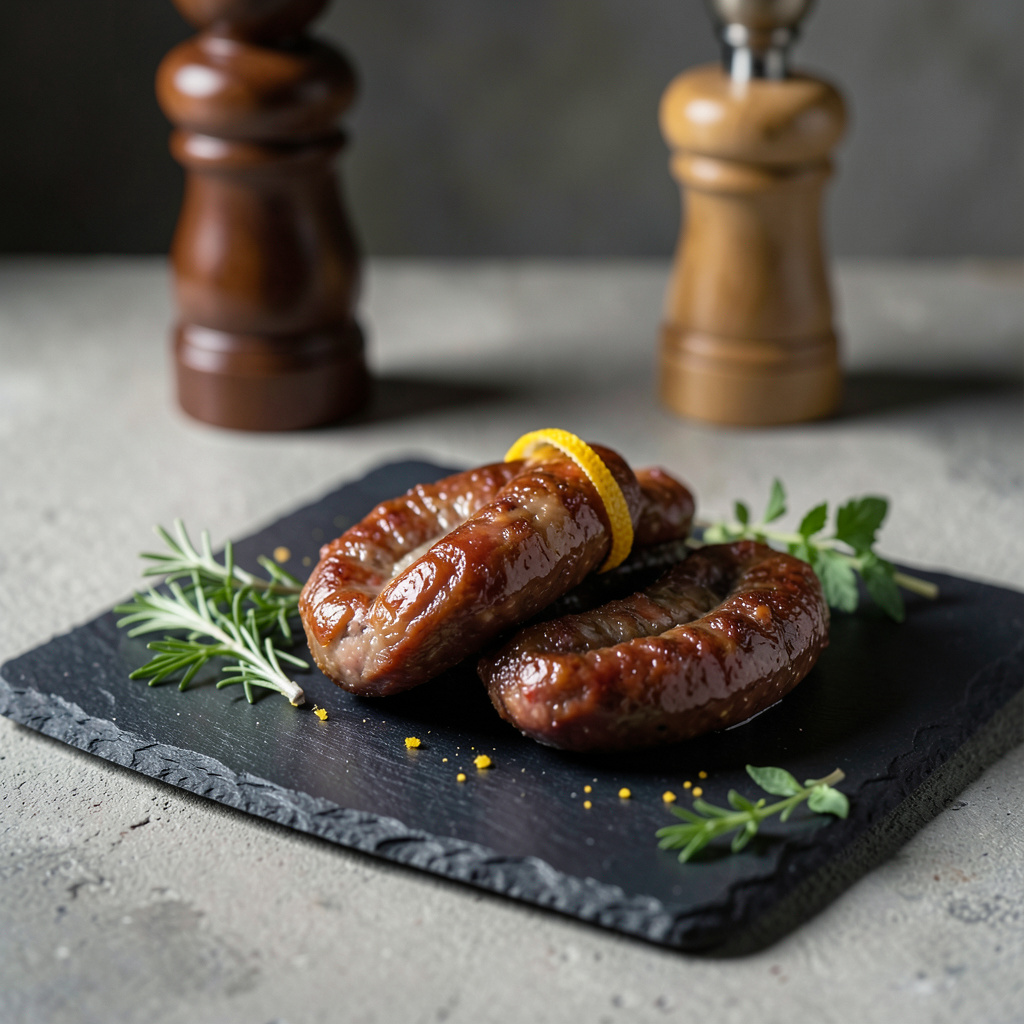
There’s something special about cooking with beef sausage – it brings back memories of family gatherings at my dad’s place, where we’d grill up a storm. ? I love how versatile it is, whether you’re making a hearty main course or adding flavor to a simple soup.
For this recipe, we’re keeping things straightforward with just a few ingredients. You’ll need high-quality beef sausage, some basic spices, and your choice of sides – I recommend roasted vegetables or mashed potatoes. The beauty of this dish is its simplicity.
Cooking the sausage is a breeze: just brown it in a skillet over medium-high heat for about 5-7 minutes on each side, or until it reaches an internal temperature of 160°F. Serve it hot with your favorite sides, and you’ve got a meal that’s sure to please.
I like to pair this with something comforting, like garlic mashed potatoes or a simple green salad. Whatever you choose, I’m sure it’ll be a hit – after all, who doesn’t love a good sausage dinner? Let’s get cooking!
Ingredients for Beef Sausage Recipes
Simple ingredients for a hearty meal. Quality beef sausage is the star.
| Ingredient | Amount | Notes |
|---|---|---|
| Beef Sausage ? | 1 lb | High-quality, your favorite variety |
| Olive Oil ? | 2 tbsp | For browning sausage |
| Onion ? | 1 whole | Sliced, optional |
| Garlic Cloves ? | 3 cloves | Minced, optional |
| Black Pepper ?️ | ¼ tsp | Freshly ground |
| Salt ? | ¼ tsp | To taste |
| Paprika ? | ½ tsp | Smoked or sweet |
| Italian Seasoning ? | ½ tsp | Dried herb blend |
| Red Pepper Flakes ? | ¼ tsp | Optional, for heat |
| Potatoes ? | 2 whole | For mashed potatoes |
| Green Salad Mix ? | 4 cups | For simple green salad |
The sausage is the main event here. Look for high-quality beef sausage at your local butcher or Whole Foods. I prefer mine with a good balance of spices – not too salty, not too bland. If you’re feeling fancy, grab some applewood-smoked for that extra depth of flavor.
No beef sausage? You can use Italian sausage as a substitute – just be aware it’ll change the flavor profile slightly. For a spicier kick, try adding more red pepper flakes. The onions and garlic are optional, but they add a nice depth to the dish. If you’re using them, make sure to caramelize the onions for the best flavor.
Cooked sausage keeps for 3-4 days in the fridge. Reheat it in a skillet with a bit of oil to crisp it back up. The mashed potatoes? Make extra and store them in an airtight container for up to 5 days.
Why You’ll Love beef sausage recipes
- Quick Prep: I love that I can throw this beef sausage recipe together in no time – just slice the onion, mince the garlic, and I’m good to go.
- Flavor Bomb: The combination of beef sausage, caramelized onions, and garlic is ridiculously good. It’s a flavor combination that never fails to impress.
- Versatile Meal: This recipe is my go-to for meal prep because it’s just as great for a quick weeknight dinner as it is for a weekend gathering with friends.
- Leftover Magic: Honestly, the leftovers are just as delicious the next day – I often reheat them for lunch and add some crusty bread for a satisfying meal.
Step-by-Step Instructions for Beef Sausage Main Course
Here’s a straightforward method to create a hearty beef sausage dish with perfectly cooked accompaniments.
? Step 1: Sear the Beef Sausage
Heat the 2 tbsp olive oil in a large skillet over medium-high heat. Once hot, add the 1 lb beef sausage and cook for 5-7 minutes on each side until browned and cooked through. You’ll know it’s done when it reaches an internal temperature of 160°F. Transfer the cooked sausage to a plate and set aside.
While the sausage cooks, start preparing the other ingredients. Slice the 1 whole onion and mince the 3 cloves garlic cloves if using. Having these ready will streamline the cooking process.
? Step 2: Sauté Aromatics and Prepare Potatoes
In the same skillet (no need to clean it), add the sliced 1 whole onion and cook over medium heat for 5 minutes until softened and lightly browned. Add the minced 3 cloves garlic cloves and cook for another 1 minute until fragrant. Be careful not to burn the garlic.
Meanwhile, peel and chop the 2 whole potatoes into evenly sized pieces for mashed potatoes. Boil them in salted water until tender, then drain and mash with your preferred ingredients.
? Step 3: Combine and Season
Return the cooked 1 lb beef sausage to the skillet with the onions and garlic. Add 0.25 tsp black pepper, 0.25 tsp salt, 0.5 tsp paprika, 0.5 tsp Italian seasoning, and 0.25 tsp red pepper flakes (if using). Stir everything together to combine the flavors.
Simmer the mixture over low heat for 5 minutes to allow the flavors to meld together. Serve the beef sausage with mashed potatoes and a side of 4 cups green salad mix for a well-rounded meal.
Pro Tips for Making beef sausage recipes
- Sear Sausages First: Get a good sear on the beef sausages before cooking them through, as this creates a flavorful crust. I learned this the hard way—after burning three batches, I finally figured out that a hot pan is crucial.
- Soften Onions Slowly: Cook the onions over medium-low heat until they’re translucent and starting to caramelize, which adds depth to the dish. My grandmother swore by this, and she was right: it makes a real difference in the overall flavor.
- Don’t Overcrowd Pan: Cook the sausages in batches if necessary, to prevent overcrowding the pan, which can lower the temperature and prevent even cooking. I was skeptical until I tried it, but it actually changes the outcome.
- Add Garlic Last: Add minced garlic towards the end of cooking the onions, as this prevents it from burning and becoming bitter. Sounds weird, but it works: the flavor mellows out and blends with the onions perfectly.
Pro Cooking Tips for Perfect Results
Temperature Control Matters
The key to juicy beef sausage is hitting that sweet spot of 160°F internal temperature without overcooking. I use a ThermoWorks ThermoPop to check – it’s become my kitchen best friend since moving to Portland. Insert the thermometer into the thickest part of the sausage, and pull it off the heat the moment it hits temp. The sausage will continue cooking as it rests. ?️
Don’t Skip the Sear
That beautiful brown crust isn’t just for looks – it’s where all the flavor lives. Heat your skillet until a drop of water sizzles instantly before adding the sausage. I learned this from a butcher at our local Portland farmers market who told me most people cook sausage over heat that’s too low. You want to hear that satisfying sizzle when the meat hits the pan.
The Pricking Debate
Here’s the deal: don’t prick your sausages before cooking. I know some folks swear by it, but poking holes lets all those delicious juices escape. The casing is there to keep everything moist and flavorful. If your sausages are bursting, your heat is too high – dial it back to medium heat and give them more time.
Rest Before Slicing
After cooking, let your sausages rest for 3-5 minutes on a cutting board. This gives the juices time to redistribute throughout the meat instead of running all over your plate. I usually prep my sides during this time – it’s the perfect window to toss that salad or add butter to the mashed potatoes. ?
Pan Fond is Gold
Those brown bits stuck to your skillet after cooking? That’s pure flavor waiting to be used. Deglaze the pan with ¼ cup beef broth or red wine, scraping up all those caramelized bits. This creates an instant pan sauce that takes your dish from good to restaurant-quality. Spoon it over the sausages right before serving.
Batch Cooking Strategy
I often cook extra sausages on Sunday and store them in the fridge for quick weeknight meals. They reheat beautifully in a 350°F oven for 10 minutes, or you can slice them cold for sandwiches. My daughter Lily loves them chopped up in her mac and cheese – it’s become our Tuesday night tradition. ?
Nutrition Facts
Frequently Asked Questions
Can I use a different type of sausage for this recipe?
Absolutely! While beef sausage provides a rich, hearty flavor, you can substitute with pork, chicken, or turkey sausages based on your preference. Just keep in mind that cooking times may vary slightly depending on the fat content of your chosen sausage.
How do I know when the beef sausages are fully cooked?
Use a meat thermometer to check the internal temperature—it should reach 160°F (71°C) for ground beef sausages. The sausages should also be browned on all sides with no pink remaining in the center when cut open.
Can I make beef sausage recipes ahead of time?
Yes! Most beef sausage dishes reheat beautifully. Cook the recipe completely, let it cool, then store in airtight containers in the refrigerator for up to 3 days or freeze for up to 3 months. Reheat gently on the stovetop or in the oven to maintain the best texture.
What’s the best way to prevent sausages from splitting during cooking?
Avoid cooking sausages over high heat, which causes the casings to burst. Instead, use medium heat and turn them frequently for even cooking. Never pierce the sausages before cooking, as this releases the flavorful juices.

After finding my groove and passion for cooking, I've been sharing recipes online for over 12 years. The moment that changed everything happened at my wedding when my mother-in-law asked for my roasted chicken recipe - the same woman who'd been giving me cooking advice for three years. Victory!